Sudan climate & travel seasons
Seasonal guidance for Sudan’s northern desert, regional rains and practical trip preparation—without live weather claims.
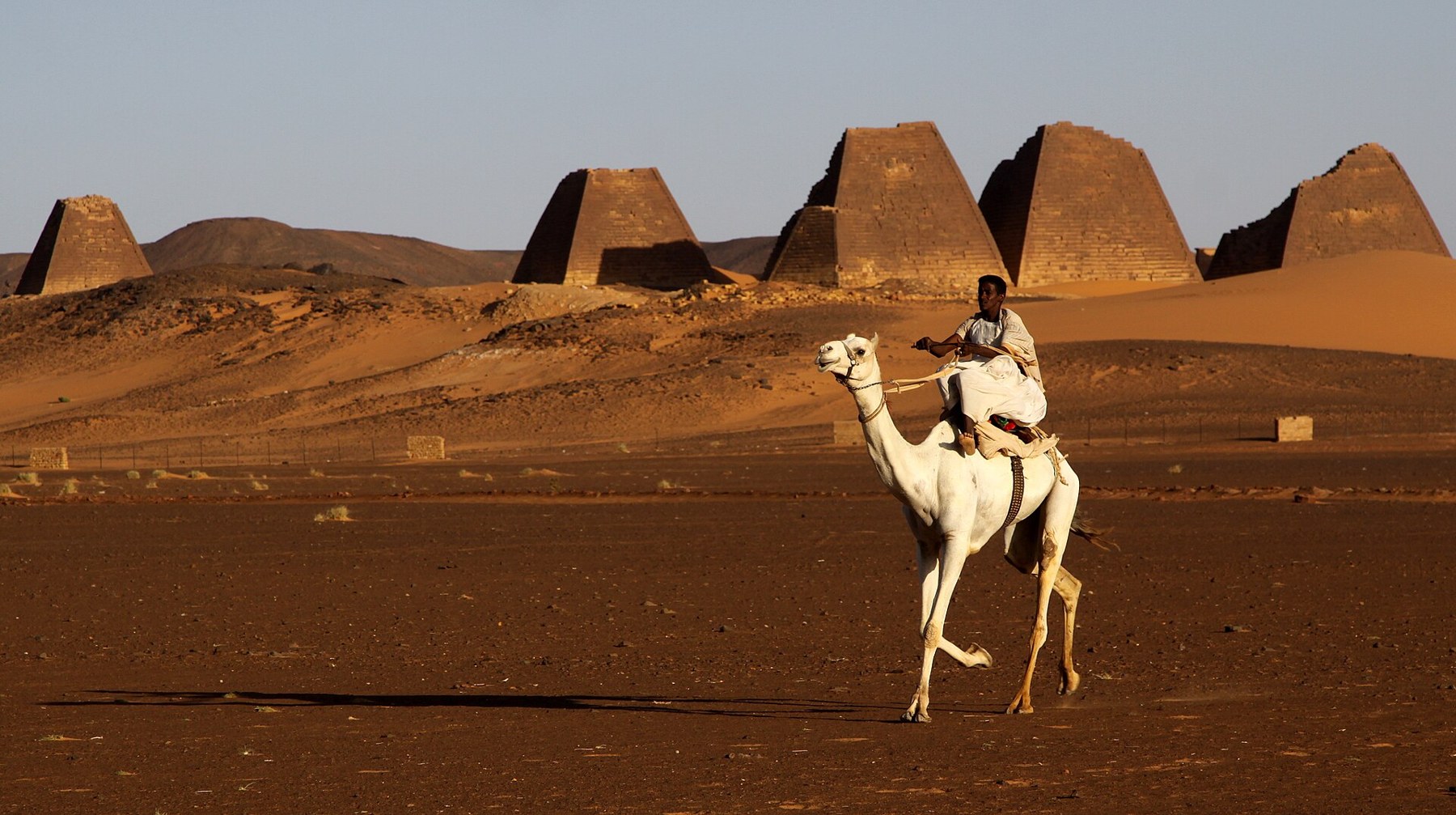
Photo: Retlaw Snellac · CC BY 2.0
Cultural and seasonal information is not advice that travel is safe now. Verify current official advice, entry requirements, insurance and transport before making plans.
Seasonal planning is not a forecast
Sudan’s climate varies between the northern desert, central and southern regions, and the Red Sea coast. A single national description cannot predict the conditions along a particular route. Use the seasonal outline below as a starting point, then check a trustworthy current forecast for your specific places and dates.
Comfortable weather also does not establish that travel is safe, possible or insured. Security conditions, transport access and official entry advice must be assessed independently of the season.
November to February: cooler northern conditions
The cooler months are generally the most comfortable period for northern desert and archaeological visits. Days can be sunny while nights are cool, so layers are useful. Plan clothing for both exposed daytime visits and cooler evenings instead of assuming one temperature throughout the day.
A proposed heritage itinerary still needs flexibility. Long transfers, permission checks and rest days should be discussed before choosing a departure date. This website does not provide live temperatures or guaranteed operating dates.
March to June: heat and dry winds
Heat becomes more demanding, especially inland. Dust and dry winds can affect visibility and travel. Limit exposure, allow rest stops and plan water and sun protection; seek current local and professional guidance for the journey you are considering.
An ambitious route can leave little room for recovery or disruption. Ask whether fewer places and more downtime would be appropriate, rather than treating seasonal descriptions as a promise that every road or attraction can be reached.
July to October: regional rain considerations
Rainfall is more relevant in central and southern areas; the far north remains much drier. Rain and flooding may disrupt roads. Confirm route-specific access and avoid extrapolating northern desert conditions to the whole country.
Before committing, identify the current forecast source, the team’s transport advice and the contingency options you would need. If essential facts cannot be verified, leave the itinerary provisional rather than replacing uncertainty with an invented forecast.
Common planning questions
What is generally the best season for northern Sudan heritage visits?
November to February is generally the most comfortable period climatically. This is seasonal guidance, not confirmation of safety or availability.
Does this page show current weather?
No. It provides seasonal information only. Check a reliable current forecast for specific places and dates.