Sudan heritage & regions
Understand Meroë, Jebel Barkal and Sudan’s diverse regions before shaping a heritage itinerary.
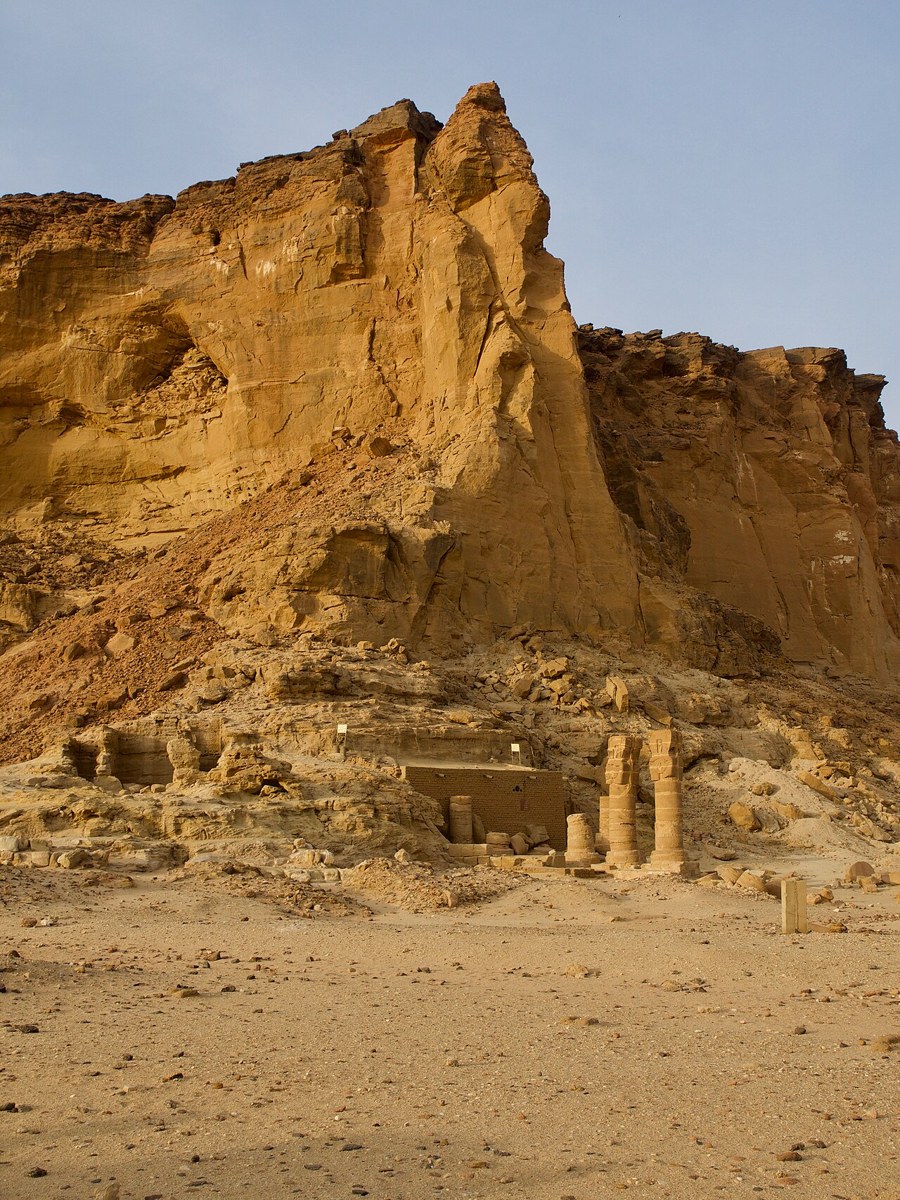
Photo: Laurent de Walick · CC BY 2.0
Cultural and seasonal information is not advice that travel is safe now. Verify current official advice, entry requirements, insurance and transport before making plans.
Meroë and the Kingdom of Kush
The pyramids and royal cemeteries of Meroë are associated with the ancient Kingdom of Kush. The Archaeological Sites of the Island of Meroe are inscribed on the UNESCO World Heritage List. A cultural itinerary should distinguish this archaeological landscape from the modern towns and communities around it.
River Nile State includes Atbara, Shendi and Meroë. Read about a site’s history before deciding how to visit it: its cultural importance does not establish present-day access, opening arrangements or travel safety.
Jebel Barkal and the Napatan region
Near Karima in Northern State, Jebel Barkal is a sandstone mountain above the Nile, surrounded by temples and pyramids. Jebel Barkal and the Sites of the Napatan Region form another UNESCO World Heritage property.
Northern State also includes Dongola and Wadi Halfa. Nubian heritage and Nile landscapes provide a useful theme for learning about the region, but combining distant places requires separate confirmation of transport, permissions and local conditions.
A country of distinct landscapes
Red Sea State includes Port Sudan and Suakin, whose historic coral-stone architecture offers a different cultural setting from the northern archaeological landscapes. Kassala and the Taka Mountains introduce eastern Sudan’s mountain scenery and cultural diversity.
Khartoum, Omdurman and Bahri are associated with urban history and the meeting of the Blue and White Nile. Gezira’s agricultural landscapes and communities along the Blue Nile offer another regional perspective. These are geographic introductions, not a list of currently operating excursions.
Living heritage deserves care
Sudan’s Nubian, Beja and many other communities shape its crafts, music, languages and oral traditions. Ask before photographing people, respect worship and dress modestly. At archaeological sites, seek permission and follow local conservation rules rather than treating fragile remains as photo props.
A thoughtful itinerary leaves time for context and rest, rather than counting landmarks. Tell the company which histories or landscapes interest you and ask what can responsibly be considered under current conditions.
Common planning questions
Which Sudan heritage places are UNESCO-listed?
The Archaeological Sites of the Island of Meroe and Jebel Barkal and the Sites of the Napatan Region are UNESCO World Heritage properties. Listing does not confirm current visitor access.
Can I book every place mentioned here?
No. This guide introduces heritage and geography. Ask the team to verify current access, transport and any permissions before making arrangements.